Sources
Indications
Deficiency
Vitamin
A Liver,
fortified Milk
Essential
for eyes, skin and the proper function of the immune system.
Helps maintain hair, bones and teeth.
Night
blindness; reduced hair growth in children; loss of
appetite; dry, rough skin; lowered resistance to infection;
dry eyes.
Beta
Carotene Squash,
Broccoli, Green Leafy Vegetables, Carrots,
Antioxidant.
Converted to Vitamin A in the body.
Vitamin
D Egg Yolk,
Milk, Exposure to sun enables body to make its own Vitamin
D.
Helps
build and maintain teeth and bones. Enhances calcium
absorption.
Rickets in
children; bone softening in adults; osteoporosis.
Vitamin
E Corn Oil,
Butter, Brown Rice, Soybean Oil, Vegetable oils Soybean,
Nuts, Wheat Germ.
Antioxidant.
Helps form red blood cells, muscles and other tissues.
Preserves fatty acids.
Rare, seen
primarily in premature or low birth weight babies or
children who do not absorb fat properly. Causes nerve
abnormalities.
Vitamin
K Green
Vegetables, Liver, also made by intestinal bacteria.
Needed for
normal blood clotting.
Defective
blood coagulation.
Thiamin Sunflower
Seeds, Pork, whole and enriched Grains, dried Beans.
Necessary
for carbohydrate metabolism and muscle coordination.
Promotes proper nerve function.
Anxiety;
hysteria; depression; muscle cramps; loss of appetite; in
extreme cases beriberi
Riboflavin Liver,
Milk, Spinach, enriched Noodles, Mushrooms.
Needed for
metabolism of all foods and the release of energy to cells.
Essential to the functioning of Vitamin B6 and
Niacin.
Cracks and
sores around the mouth and nose; visual problems.
Niacin Mushrooms,
Bran, Tuna fish, Chicken, Beef, Peanuts, enriched
Grains.
Needed in
many enzymes that convert food to energy. Helps maintain a
healthy digestive tract and nervous system. In very large
doses, lower cholesterol (large doses should only be taken
under the advice of a physician).
In extreme
cases, pellagra, a disease characterized by dermatitis,
diarrhea and mouth sores.
Pantothenic
Acid Abundant
in animal tissues, whole grain cereals and legumes.
Converts
food to molecular forms. Needed to manufacture adrenal
hormones and chemicals that regulate nerve function.
rare
Vitamin
B6 Animal
protein foods, Spinach, Broccoli, Bananas.
protein
metabolism and absorption, carbohydrate metabolism. Helps
form red blood cells. Promotes nerve and brain
function.
Anemia,
irritability, patches of itchy, scaling skin;
convulsions.
Vitamin
B12 Found
almost exclusively in animal products.
Builds
genetic material. Helps form red blood cells.
Pernicious
anemia; nerve damage. (Note: Deficiency rare except in
strict vegetarians, the elderly or people with bad
absorption disorders.)
Biotin Cheese,
Egg, Yolk, Cauliflower, Peanut Butter
Needed for
metabolism of glucose and formation of certain fatty acids.
Essential for proper body chemistry.
anorexia,
nausea, vomiting, dry scaly skin.
Folic
Acid (Folacin) Green,
leafy vegetables, Orange Juice, organ Meats, Sprouts.
manufacture
of genetic material as well as protein metabolism and red
blood cell formation.
Impaired
cell division; anemia; diarrhea; gastrointestinal
upsets.
Vitamin
C Citrus
Fruits, Strawberries, Broccoli, Green Peppers
Antioxidant.
Helps bind cells together and strengthens blood vessel
walls. Helps maintain healthy gums. Aids in the absorption
of iron.
Muscle
weakness, bleeding gums; easy bruising. In extreme cases,
scurvy.
Calcium Yogurt,
Cheese, Sardines, Broccoli, Turnip Greens, milk
build
strong bones and teeth. Promotes muscle and nerve function.
Helps blood to clot. Helps activate enzymes needed to
convert food to energy.
Rickets
osteoporosis
Phosphorus Chicken
Breast, Milk, Lentils, Egg Yolks, Nuts, Cheese
With
calcium builds bones and teeth. Needed for metabolism, body
chemistry, nerve and muscle function.
(Rare)
Weakness; bone pain; Anorexia.
Magnesium Spinach,
Beef Greens, Broccoli, Tofu, Popcorn, Cashews, Wheat
Bran
Activates
enzymes needed to release energy in body. Needed by cells
for genetic material and bone growth.
Nausea,
irritability, muscle weakness; twitching; cramps, cardiac
arrhythmias.
Potassium Peanuts,
Bananas, Orange Juice, Green Beans, Mushrooms, Oranges,
Broccoli, Sunflower Seeds.
Helps
maintain regular fluid balance. Needed for nerve and muscle
function.
Nausea,
anorexia, muscle weakness, irritability.
Iron Liver,
lean Meats, Kidney beans, enriched Bread, Raisins. Essential
for making hemoglobin, the red substance in blood that
carries oxygen to body cells.
Skin
pallor; weakness; fatigue; headaches; shortness of breath
(all signs of iron-deficiency anemia)
Zinc Oysters,
Shrimp, Beef, Turkey, whole Grains, Peanuts, Beans.
Necessary
element in more than 100 enzymes that are essential to
digestion and metabolism.
Slow
healing of wounds; loss of taste; retarded growth and
delayed sexual development in children.
Selenium Seafood,
Kidney, Liver and other meats. Grains and other Seeds
Antioxidant.
Interacts with Vitamin E to prevent breakdown of fats and
body chemicals.
Unknown
Copper Liver and
other organ Meats, Seafood, Nuts and Seeds.
skin, hair
and other pigments. Stimulates iron absorption. red blood
cells, connective tissue and nerve fibers.
Rare in
adults.
Manganese whole
Grains and Cereal products are the richest dietary sources.
Fruits and Vegetables.
Needed for
normal tendon and bone structure. Component of some enzymes
important in metabolism.
Unknown
Molybdenum Milk,
Beans, Breads and Cereals contribute the highest
amounts.
Component
of enzymes needed in metabolism. Helps regulate iron
storage.
Unknown
Retinal
900mcg ,3 000 IU
5mcg, 200 IU
9-10 mg
0.03 mcg/kg
Vitamin B1
0.8 - 1.3 mg
Vitamin B2
1.3 - 1.6 mg
Vitamin B3
14-23 mg
Vitamin B5
2.5 mg
Pyridoxine
1.8 mg
Cyanocobalamin
2 mcg
60 mcg
180-220 mg
Ascorbic Acid
40 mg
800 - 1000 mg
1000 mg
230 - 250 mg
(3-6 g)
(Elemental)8-11 mg
Oxalic acid in spinach hinders iron absorption.
12 mg
0.05-0.2 mg
2-4 mg
2-6 mg
0.15-0.3 mg
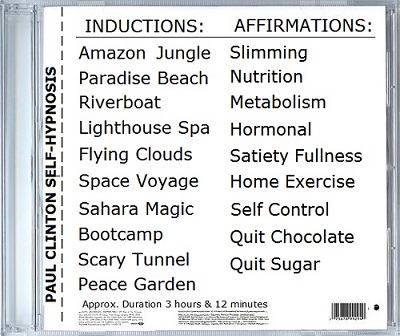
COMPLETE BODYFAT
REDUCTION MP3 PROGRAM
Price:
29.95€